
Losing weight is hard at any age and any starting point. If you feel like you’ve tried every diet and workout and still can’t shift the extra pounds, a weight loss medication like tirzepatide may be worth a look. Part of what sets it apart from older options is how directly it works on appetite, so the short answer to the question in the title is yes: it does help quiet hunger. Here’s how that actually works, and what to expect.
How tirzepatide works
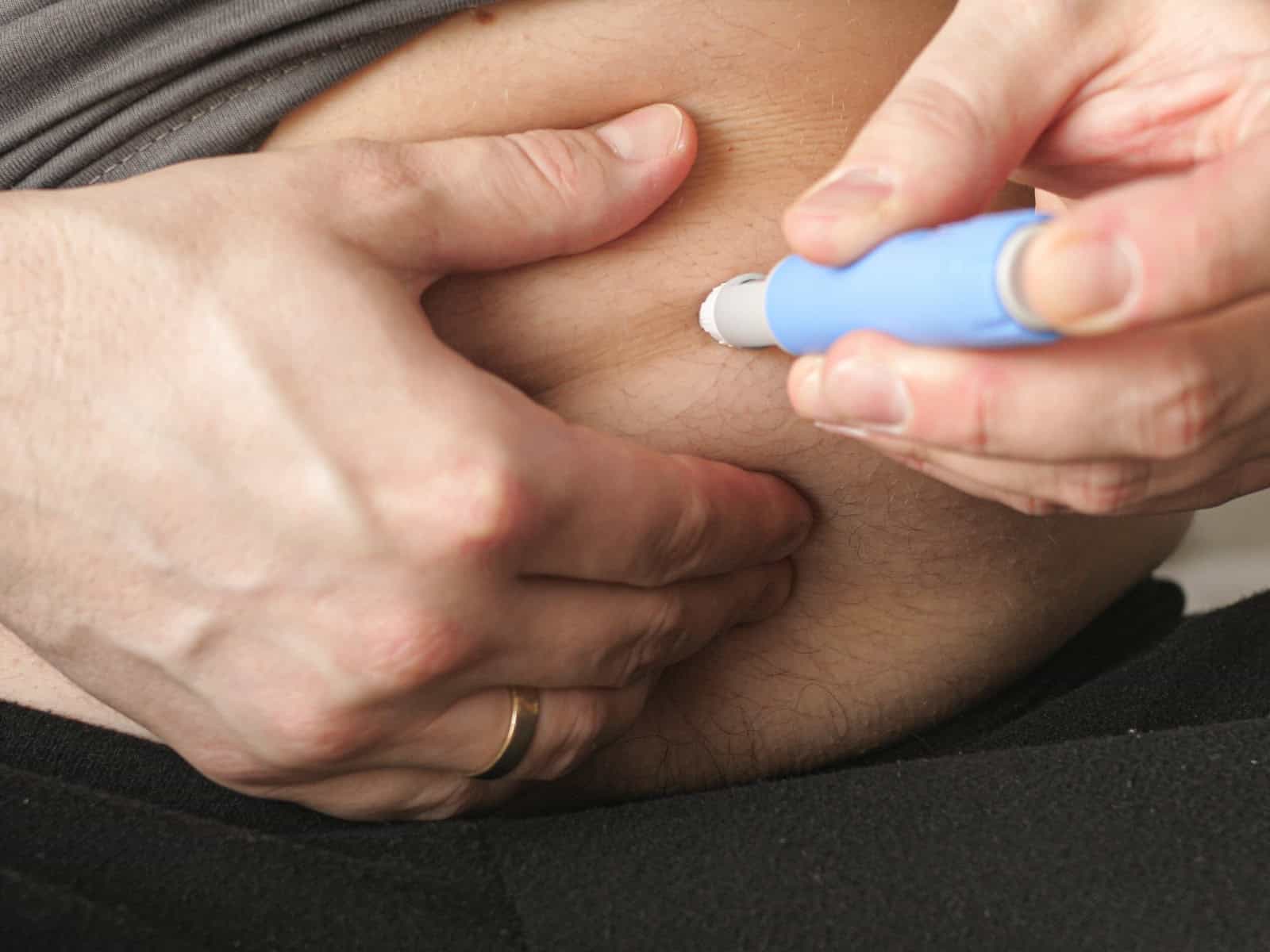
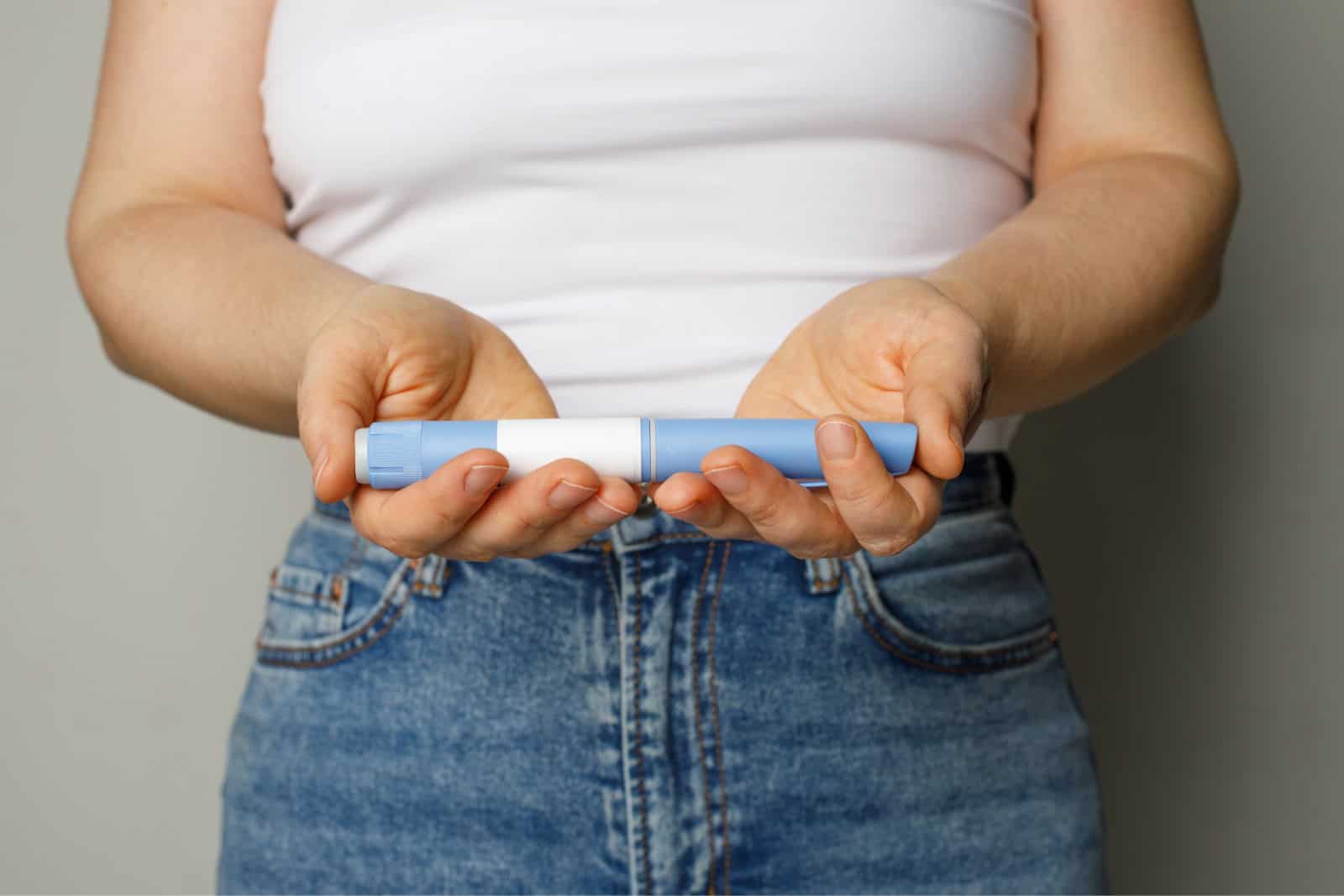
Tirzepatide is a once-weekly injectable used for weight loss and weight management. It was first developed to help people with diabetes manage their blood sugar, and the weight-loss benefit became clear along the way.
It belongs to a class called GLP-1 receptor agonists. GLP-1 stands for glucagon-like peptide-1, a hormone your body uses to regulate hunger. Tirzepatide mimics that hormone, signaling to the brain that your stomach is full so you eat less. It also slows how fast food leaves the stomach, which keeps you feeling satisfied for longer and takes the edge off cravings.
Dosing is personal. Because everyone starts from a different place, your dose is based on your health, your starting weight, and your goals. You begin low and step up gradually, which lets your body adjust while you work toward your target safely. Many people start to see early results around weeks four to six, especially paired with a sensible diet and regular movement. Individual results vary.
How tirzepatide helps curb appetite
What makes tirzepatide interesting is that it works on hunger through more than one route at once.
Alongside GLP-1, it also acts like a second gut hormone called GIP (glucose-dependent insulinotropic polypeptide). Both are involved in how full you feel and how your body handles food, so acting on the two together tends to blunt appetite more than acting on one alone. The practical effect is simple: you feel satisfied sooner, think about food less, and find it easier to eat smaller portions.
The delayed stomach emptying adds to that. With food staying in the stomach longer, the feeling of fullness lasts, and the constant pull toward the next snack eases off.
In practice, that shows up in everyday terms: less preoccupation with food, smaller portions feeling like enough, and fewer cravings between meals. Your provider tracks how your appetite responds and adjusts the plan accordingly. Individual results vary.
The benefits of better appetite control
Getting hunger under control does more than move the number on the scale. The knock-on benefits can include:
- An easier time keeping the weight off once it’s gone
- Progress on weight-related health goals your provider can track over time
- A boost in confidence as you start to feel and look better
- A low-maintenance routine of just one injection a week
- Steadier fullness thanks to slower gastric emptying
- More energy and better use of the calories you do eat
Side effects and things to consider
Like any prescription medication, tirzepatide comes with possible side effects. The more common ones include:
- Nausea
- Diarrhea
- Decreased appetite
- Vomiting
- Constipation
- Indigestion
- Stomach pain
- Injection-site reactions
- Fatigue
- Allergic reactions
- Hair loss
- Heartburn
There are rarer but more serious risks to be aware of, too. These include thyroid problems, more severe gastrointestinal issues, kidney and gallbladder problems, pancreatitis, low blood sugar, vision changes, and mood changes such as depression. This is exactly why tirzepatide is used under medical supervision, with a provider who reviews your history and monitors how you respond.
Frequently Asked Questions
How does tirzepatide suppress appetite?
It mimics two hormones your body already uses, GLP-1 and GIP, which are released after you eat and tell the brain your stomach is full. With that signal amplified, hunger fades and fullness sticks around, so you naturally eat less.
What appetite changes do people typically notice on tirzepatide?
Most people describe feeling satisfied with smaller portions, thinking about food less between meals, and having an easier time saying no to cravings. Those changes tend to build gradually as your dose is adjusted. Individual results vary.
Can tirzepatide be combined with other weight loss treatments?
It works well on its own and generally shouldn’t be stacked with other medical weight-loss medications. Your provider will advise what’s appropriate for your situation.
Ready to tackle those stubborn pounds? Schedule a consultation with our team and let’s map out a plan that fits you.